Content Creators at Weddings and Why Scope Matters
Content creators at weddings are everywhere now. Vendors want social content, planners want behind the scenes, and brands want to show off their work in real time. All of that is completely valid.
The problem is not content creators.
The problem is when roles and scope are not clear.
I’m a wedding photographer based in Southern California and I work with planners, vendors, and creative teams across Los Angeles, Orange County, and destination weddings worldwide and I recently had an experience where a content creator stepped outside of what they were hired to do. Whether it was intentional or not honestly does not matter. What mattered was the result.
Confusion, crossed boundaries, and unnecessary tension on a wedding day.
So let’s talk about it. Not for drama. For clarity.
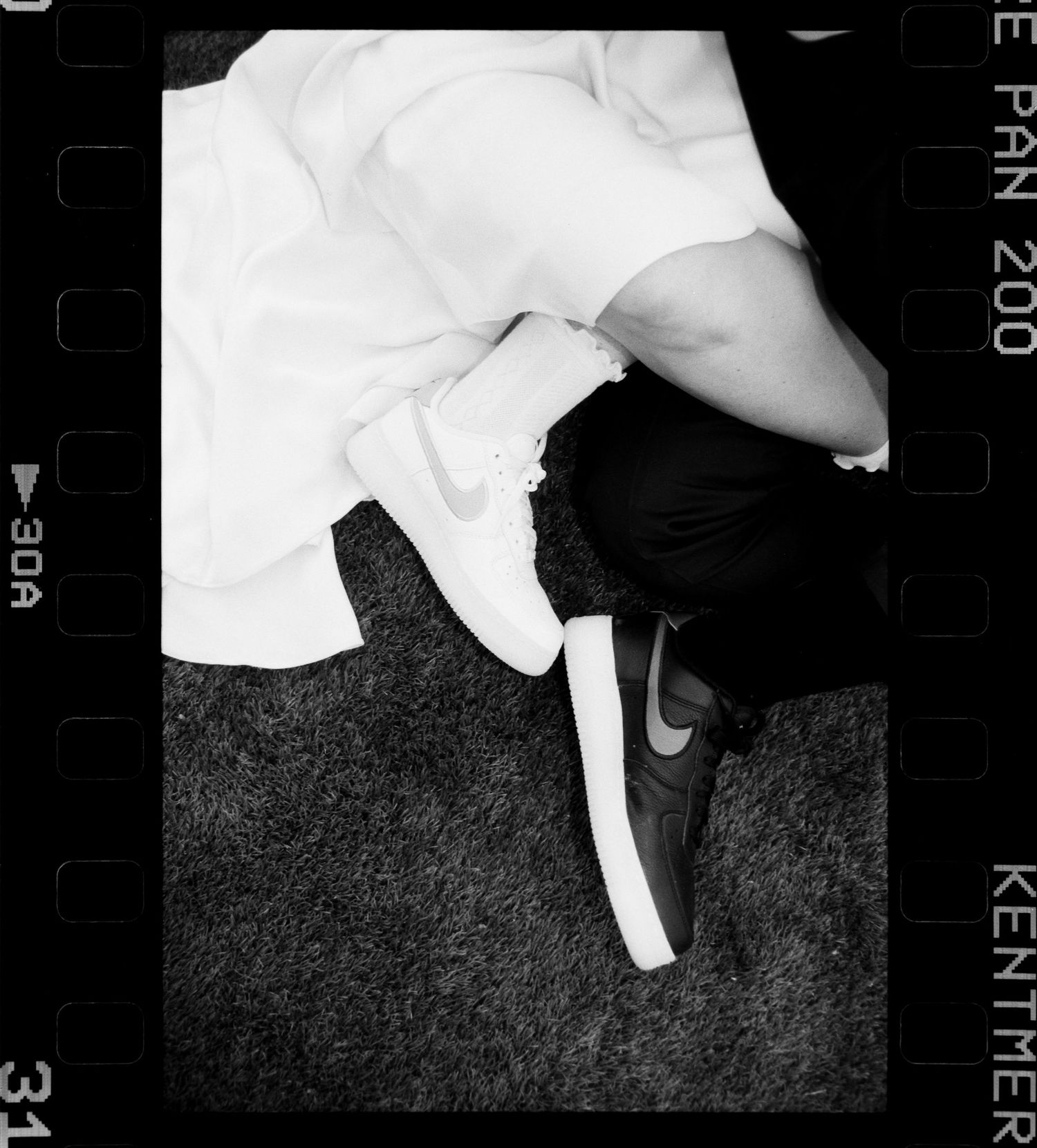
Katrina + Vince | Nikon F100 on K200
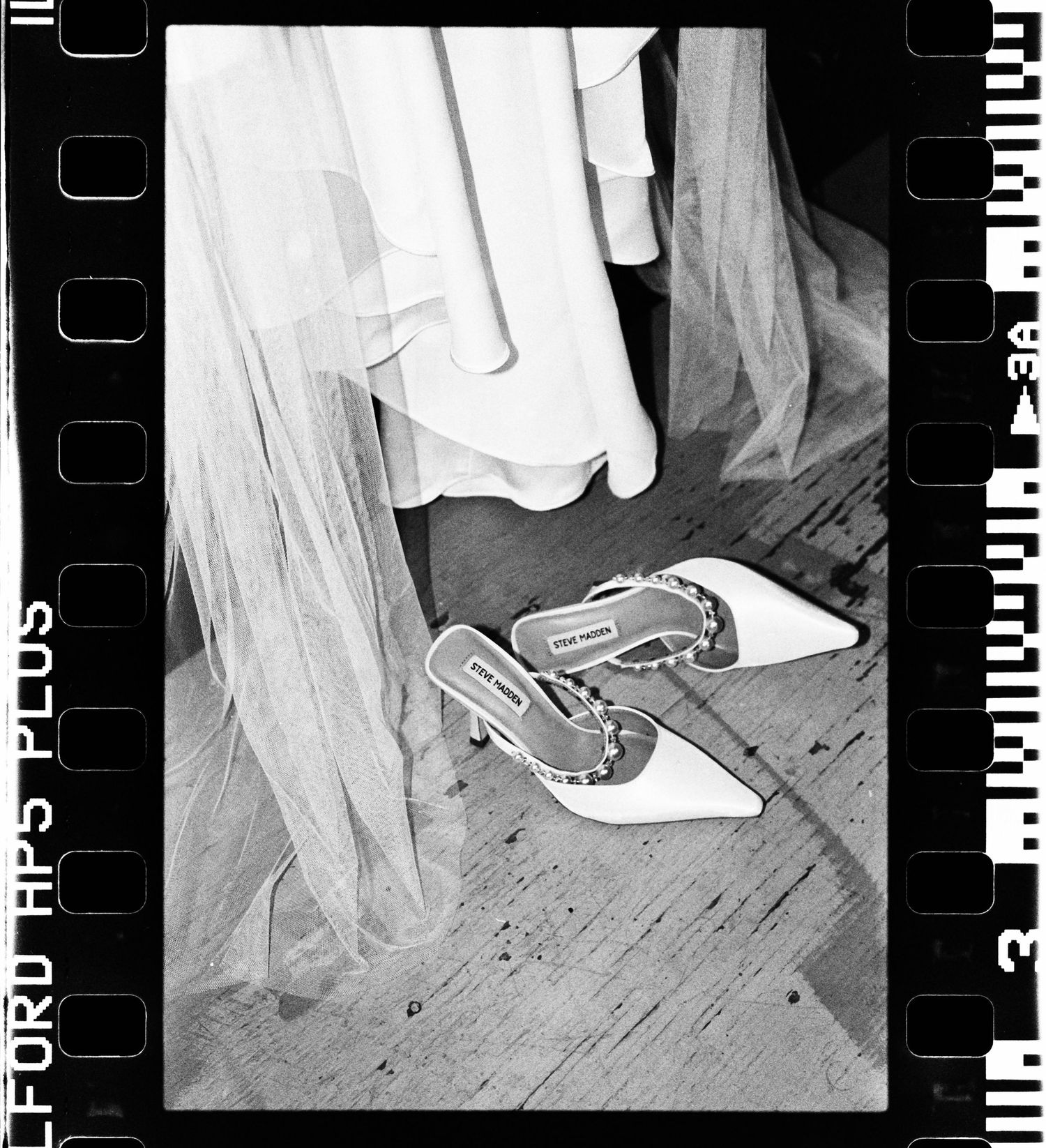
Katrina + Vince | Nikon F100 on HP5
Why This Conversation Matters
Weddings are collaborative. When everyone understands their role, the day flows better for the couple and for the vendor team. When roles get blurred, things get messy fast.
This post is about wedding vendor etiquette, understanding scope, and why content creators at weddings need clear boundaries to protect the client experience.
Lead Photographer vs Content Creator at Weddings
This distinction matters more than people realize.
The lead photographer is hired by the couple. They are responsible for documenting the wedding day, directing the creative vision, managing the visual flow of the timeline, and delivering the final gallery. They are the point person for photography.
A content creator hired by a vendor is there to capture content for that vendor. Their job is to focus on vendor specific moments. Think details, setups, behind the scenes, finished product shots, and people interacting with the service.
These are two very different roles.
Treating them like they are the same is where problems begin.
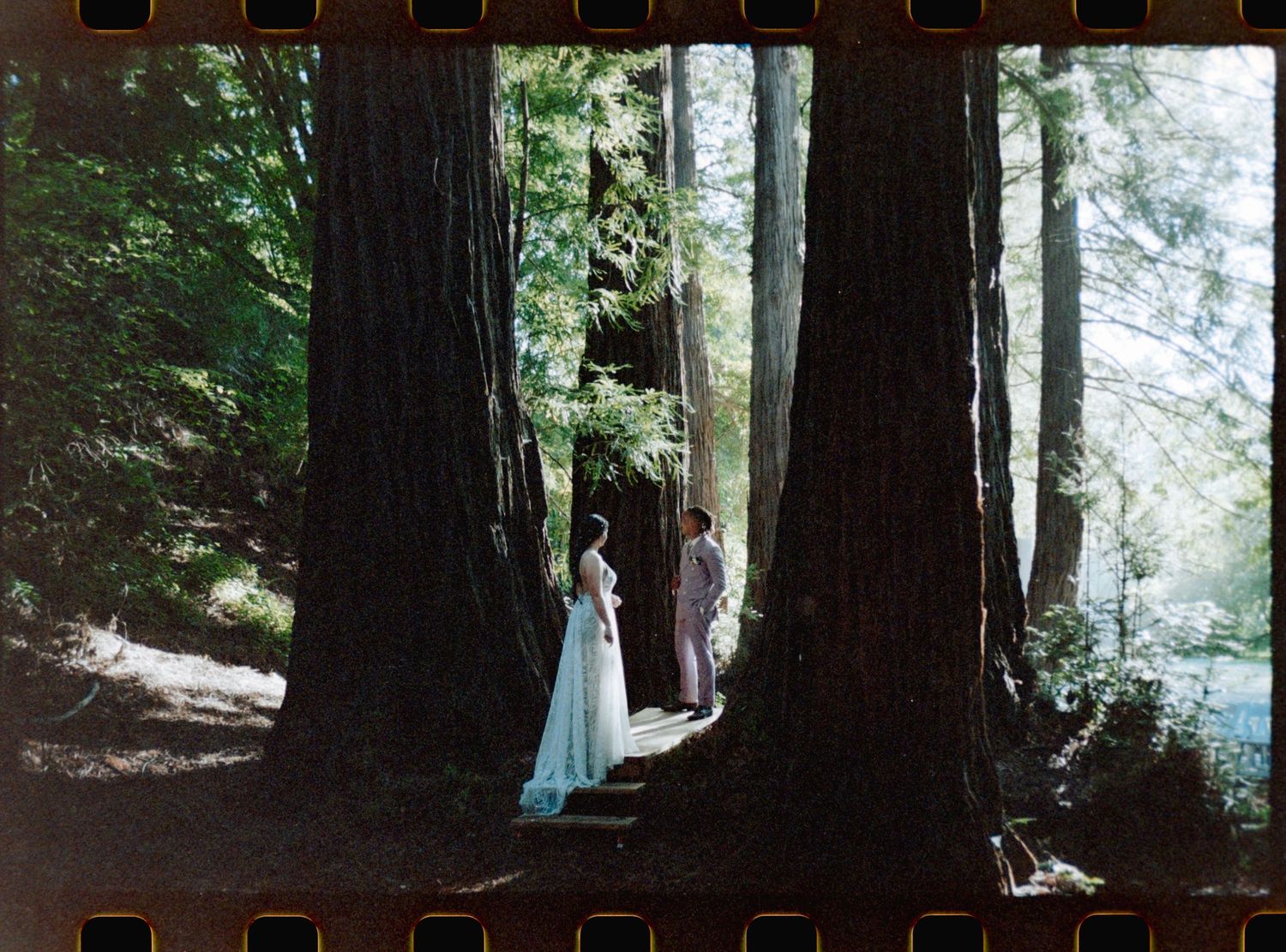
Emily + Malique | Bessa R2 on Portra 400
Why Scope Matters for Content Creators at Weddings
This is not about content. It is about scope.
If you are hired by catering, you shoot catering.
If you are hired by florals, you shoot florals.
If you are hired by planning, you shoot planning moments and behind the scenes.
What you are not hired to do is cover the entire wedding like you are the lead photographer. point blank period.
When vendor hired content creators photograph the full wedding day and share it publicly, it can misrepresent who was responsible for the photography and create confusion for the couple and other vendors.
That crosses a professional boundary.
What Happens When Wedding Photography Boundaries Are Crossed
Here is what actually happens when scope is ignored.
Photographers are confused because someone is constantly in their shots.
Vendors are unclear about who is doing what.
Couples see photos online before their gallery is delivered and feel confused or overwhelmed.
None of this improves the wedding day experience. It creates friction that could have been avoided with clear expectations upfront.
Credit and Transparency Protect Everyone
Proper credit is not about ego. It is about clarity.
When content is shared, it should be clear who the lead photographer was and what role the content creator played. Transparency protects the couple, the vendors, and the photographer.
Misrepresenting your role, even unintentionally, erodes trust across the vendor team.
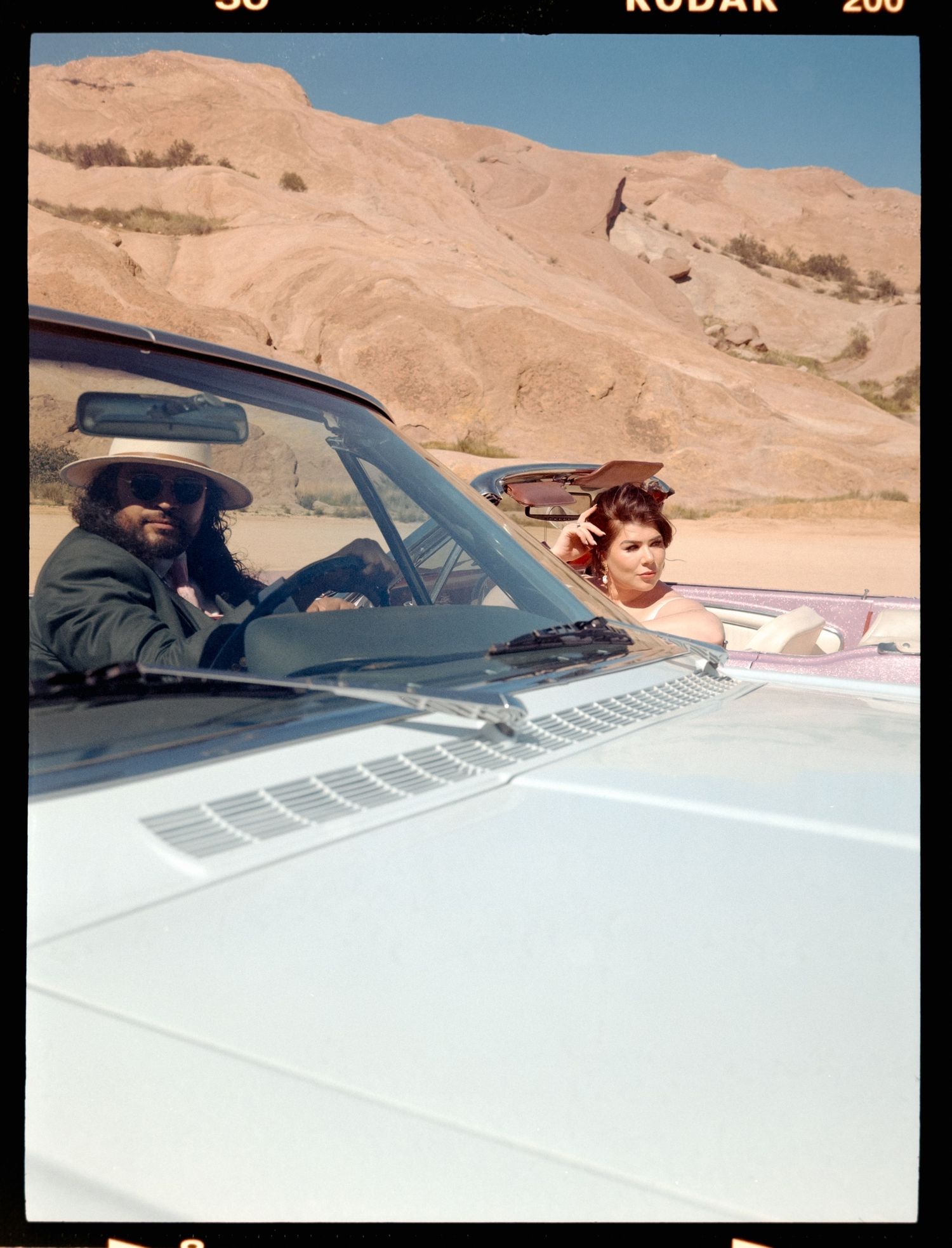
Mia + Juan | GS645S on Gold
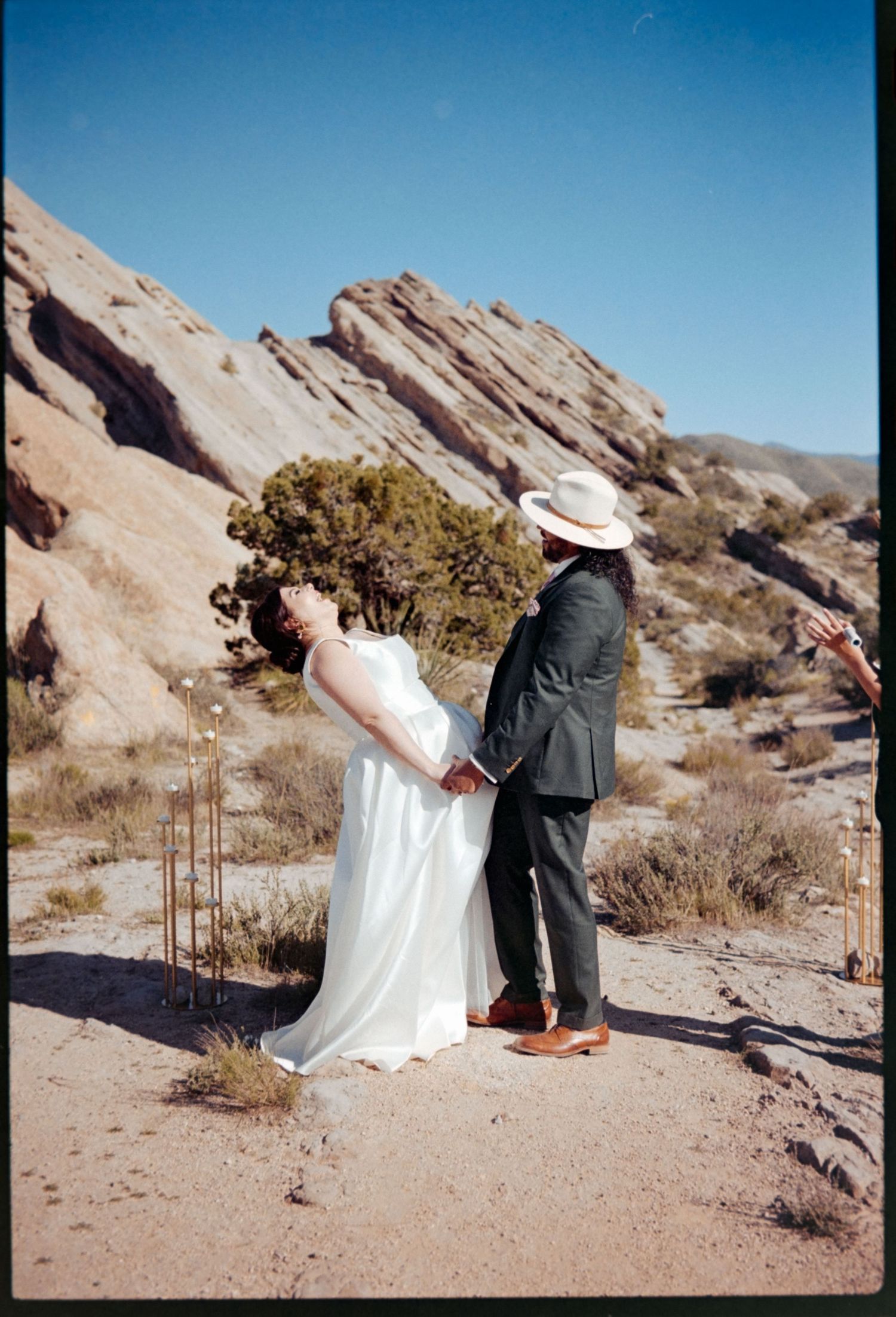
Mia + Juan | Nikon F100 on Gold
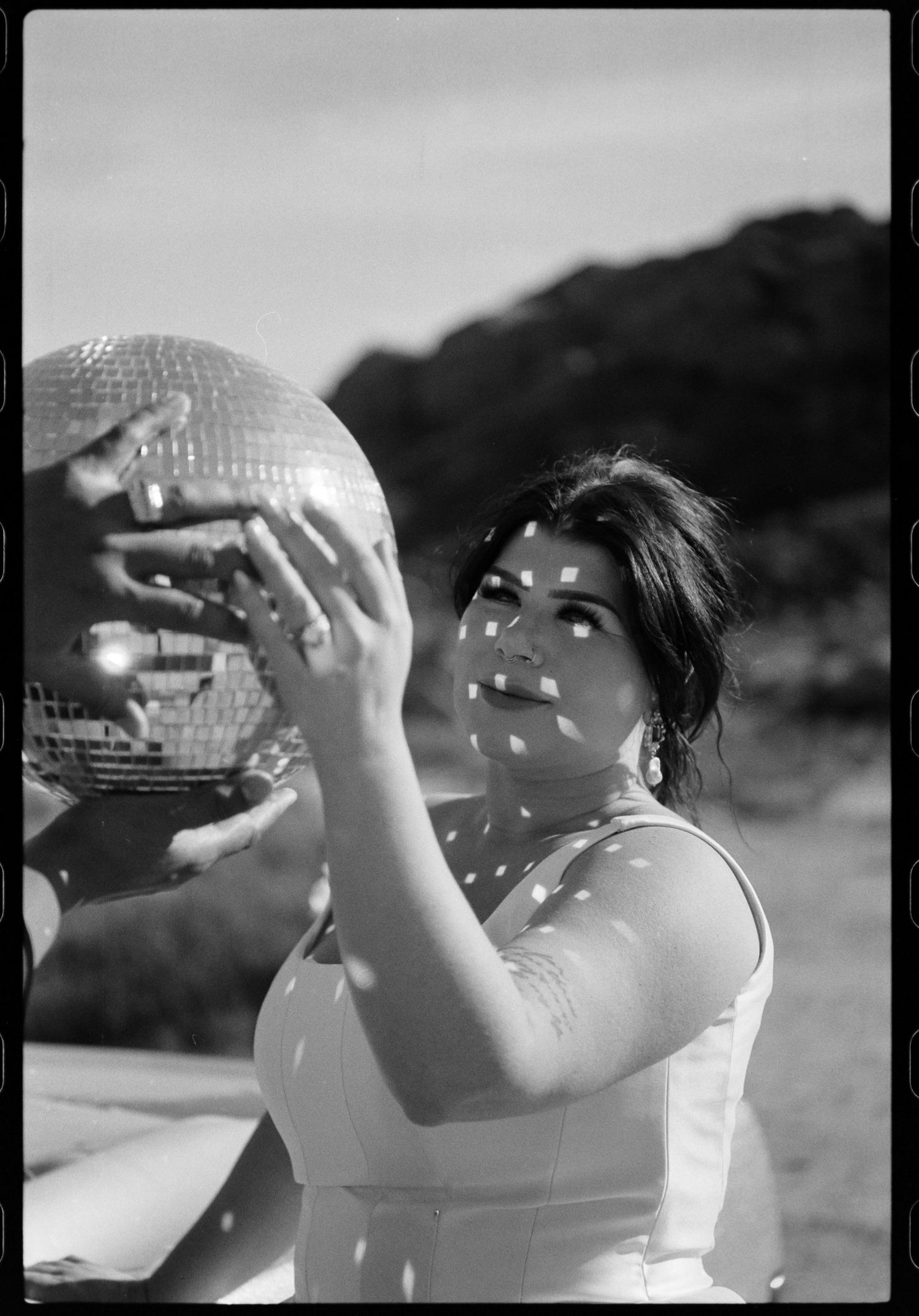
Mia + Juan | F100 on HP5
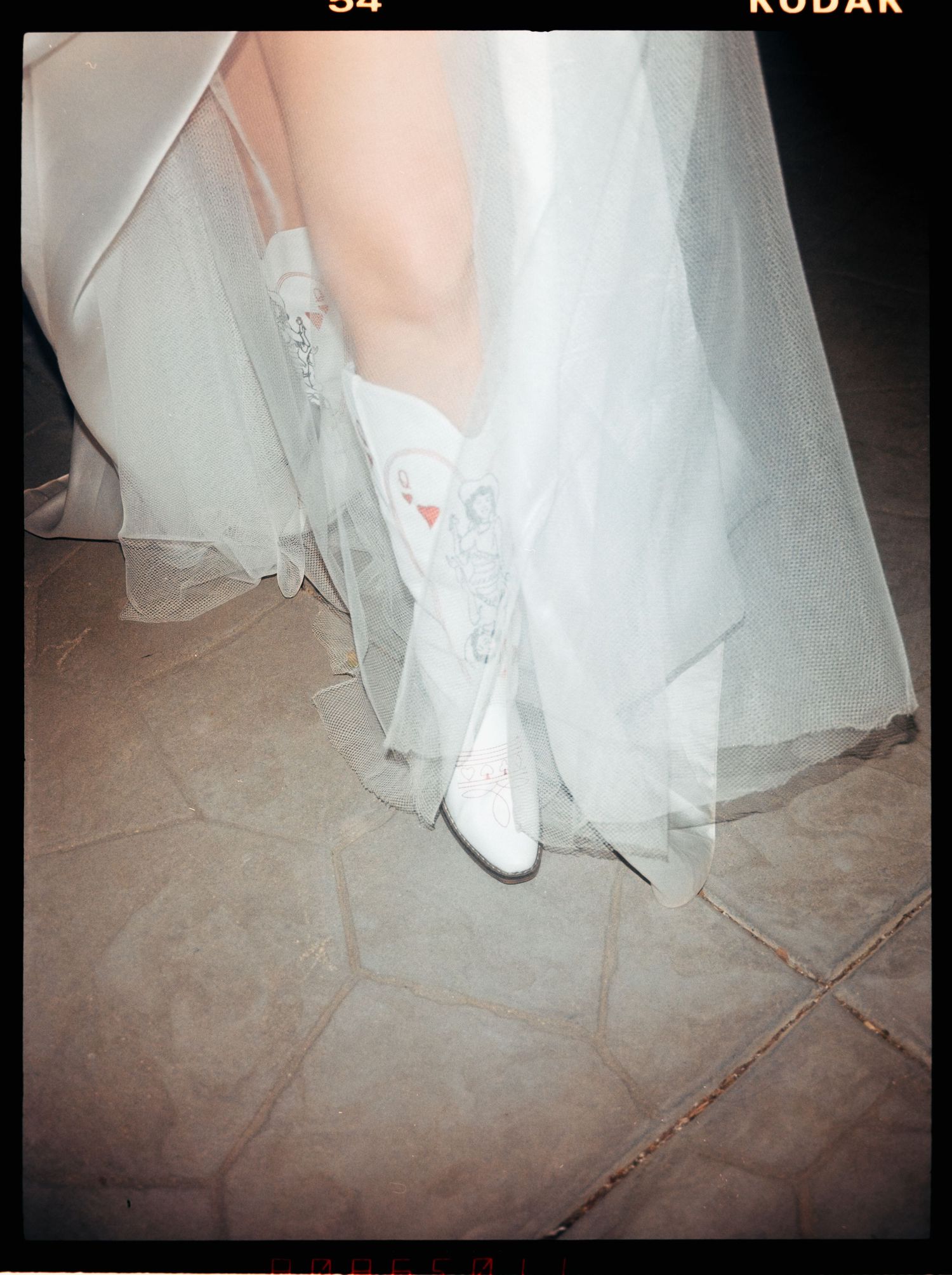
Mia + Juan | GS645S on Gold
Wedding Vendor Etiquette and Collaboration
Content creators at weddings can be an incredible asset when they are used intentionally and within scope.
Clear roles and boundaries:
- Protect the client experience
- Reduce tension on wedding days
- Improve collaboration between vendors
- Keep everyone focused on their actual job
When people stay in their lane, working together becomes easier and honestly more fun.
Bottom Line
This is not about policing anyone. It is about respect, clarity, and professionalism.
When vendors communicate scope clearly and content creators respect their role, weddings run smoother and everyone wins.
Frequently Asked Questions About Content Creators at Weddings
What is a content creator at a wedding?
A content creator at a wedding is typically hired by a vendor or sometimes the couple to capture short form content. Think behind the scenes video, detail shots, and social media assets. They are not the lead photographer unless explicitly hired as such.
Can content creators photograph the entire wedding?
If a content creator is hired by a vendor, their scope should remain focused on that vendor’s service. Full wedding coverage is the responsibility of the lead photographer hired by the couple.
Should content creators post before the gallery is delivered?
Vendors may share vendor specific content and behind the scenes moments. Sharing full wedding coverage or imagery that overlaps with lead photography before gallery delivery can create confusion and should be avoided.
How should vendors credit photographers when sharing content?
Posts should clearly indicate who the lead photographer was and what role the content creator played. Clear attribution protects all parties involved.
Are content creators the same as wedding photographers?
No. The lead photographer is hired by the couple to document the wedding day and deliver the final gallery. A content creator is hired to capture supplemental content, often for social media, and operates within a much narrower scope.
Can vendors hire their own content creators?
Yes. Vendors can absolutely hire content creators. The key is that the content creator’s scope should stay focused on that vendor’s service and not overlap with full wedding coverage.
What should a vendor hired content creator be shooting?
Vendor specific content only. Details of the service, setup, breakdown, finished product, and behind the scenes moments related directly to that vendor. Not the entire ceremony. Not portraits. Not moments that fall under full wedding coverage.
Is it okay for content creators to post before the gallery is delivered?
It depends on what is being shared. Vendor specific details and behind the scenes content are usually fine. Posting full wedding photos or coverage before the couple receives their gallery can create confusion and negatively impact the client experience.
Why is posting full wedding content an issue?
Because it blurs roles. Couples may not understand who the lead photographer was. Other vendors may assume the content creator was responsible for the photography. It also puts photographers in an awkward position when clients see images before delivery.
Does tagging the photographer fix the issue?
Tagging helps, but it does not solve the core issue. The main concern is scope, not credit. Even properly tagged content can still misrepresent roles if it looks like full wedding coverage.
How can vendors avoid these issues when hiring content creators?
By clearly defining scope before the wedding. Spell out what can be captured, what cannot, and how content will be shared. Transparency upfront prevents tension later.
What should planners communicate to content creators?
Planners should clarify who the lead photographer is, what the content creator is hired for, and how they should work alongside the photography team. Everyone should understand their role before the wedding day.
What should photographers do if boundaries are crossed?
Address it calmly and directly as soon as possible. Document the concern in writing after the event. The goal is clarity and prevention moving forward, not confrontation.
Is this about gatekeeping weddings?
No. This is about maintaining a positive client experience and respecting professional roles. Collaboration works best when boundaries are respected.